
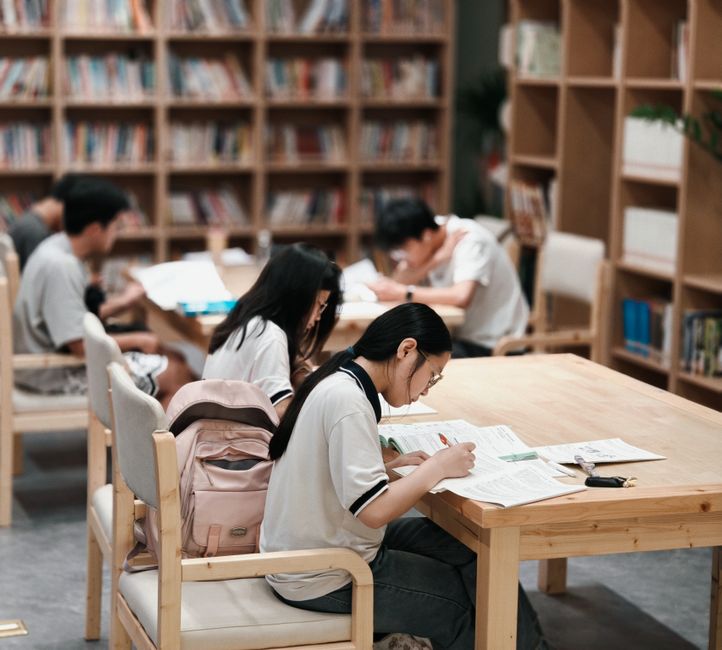
Photo by jason hu on Pexels
If you have ever wished your Korean language textbook felt more like scrolling through your favorite K-drama playlist, that wish is about to come true in a very official way.
Hallyu Is Heading Into the Classroom
South Korea is set to revamp its official Korean language learning textbooks by 2026, weaving in content inspired by the Korean Wave — known as Hallyu. This means students around the world can expect to study Korean using real cultural references from K-pop, K-drama, Korean food, and more.
The goal is to make learning Korean feel relevant and exciting rather than dry and disconnected from the culture students already love. For English-speaking fans who are trying to learn Korean naturally, this is a huge step forward.
Why This Matters for Korean Learners Like You
Using pop culture to study Korean is not a new idea — millions of learners have already been doing it on their own. But having it built into official textbooks gives the approach real credibility and structure.
- K-drama dialogue teaches natural, everyday Korean expressions
- K-pop lyrics help with pronunciation and rhythm of the language
- Korean food and lifestyle content builds practical vocabulary
- Cultural context makes grammar rules easier to remember
- Hallyu-based lessons keep motivation high for younger learners
This update also signals that Korea recognizes how powerful its cultural exports have become as tools for language learning worldwide.
Key Korean Words to Know
As you follow this exciting shift in how people study Korean, here are three words worth adding to your vocabulary list:
한류 (hallyu) — the Korean Wave; the global spread of Korean pop culture
교과서 (gyogwaseo) — textbook; an official book used for studying in school
문화 (munhwa) — culture; the traditions, arts, and way of life of a group of people
Whether you are a casual K-pop fan or a dedicated Korean language student, the 2026 textbook update is a reminder that Korean culture and the Korean language are more connected than ever — and learning one means embracing the other.
Source: Korea.net